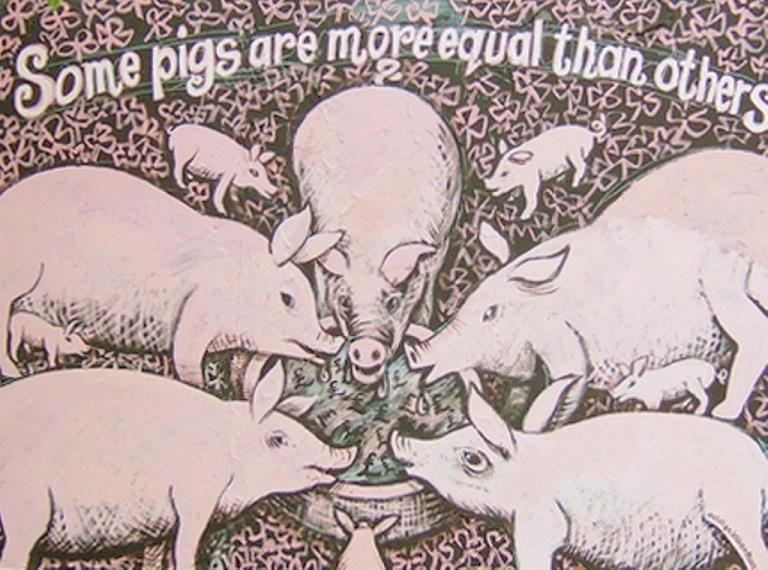
 As one could imagine, I end up in a lot of conversations about second screen TV apps, companion apps, social TV, etc. Virtually every discussion takes some long varied road to get to a point where all involved agree that the only rule in building next generation TV platforms and products is this: not all TV shows are alike, and experiences must be built with this rule in mind.
Let’s start with #SocialTV – broadly defined in current terms as “people tweeting, checking in, and liking TV shows on social media platforms.” While I’m pretty jaded in my belief that this is resoundingly uninteresting as a topic, it’s important to think of it on a per-genre basis, and in fact, a per show basis. One could state that “dramas” for example won’t garner much social TV activity – who really cares about checking in to shows like CSI or House? Then along comes Game of Thrones, rule broken. Then you could use Game of Thrones data to claim people don’t tweet while watching live TV. And along comes sports and reality shows.
When it comes to planning and thinking about how users may/will behave regarding social TV and shows, I recommend thinking about it from two perspectives: (1) live interaction and (2) cultural impact. The personal drivers for a lot of these activities have to do with the social perspective. People are interested in “connecting” with others, which drives the interactions (tweeting about your team, someone getting voted off the island, etc). People are also interested in being part of the cultural zeitgeist – Game of Thrones is “in” and “cool” to tweet about, whereas CSI and House are not.
Next up are companion apps – smartphone and/or iPad apps designed for use during a TV show. As above, the potential value creation here is entirely about the content. Do users really want to pull out their phones and read trivia while watching an intense or immersive show like Game of Thrones or The Good Wife? Doubtful. Am I going to look away from a visually-rich experience such as Planet Earth? Or how about Family Guy, where half the show is visual gags? Seems unlikely. But during any reality show, game show, talk show, or sports? I’d guess there’s a huge opportunity here.
Same moral as above, the right companion apps keep the content in mind. First, we really don’t need (or want) a dedicated companion experience for every single show that airs – it’s just plain unnecessary. But regardless of that, the experiences should think about the audience and how they want to interact. Sports is all about real-time and stats. Cooking shows, on the other hand, don’t need a real-time experience, but yet offering recipes, how-to, pictures, etc that can be bookmarked, archived, and viewed in the future is quite handy. Complicated plot-driven shows can offer complementary experiences that supply background or other pertinent information to help audiences keep up with whatever’s going on.
Enhanced content offerings – featurettes, behind-the-scenes, and other options that plunge the user in a further immersive landscape blah blah blah. Now, speaking as the guy who watched all 3 Lord of the Rings movies, extended cut, with director’s commentary on, there’s no question a marketplace exists for extra content. Blooper reels. Making-of’s. Interviews with Cast & Crew. The key focus again is identifying the right content for the right show and deploying it in the right place.
Do I really need a dedicated app for my iPad just to get extra content for each show I like? Do I need to subscribe to something? I think, fundamentally, content creators and technologists need to really spend time crafting the right offering for each individual show. For example, having the “webisodes” of The Office available openly via Facebook each week is a great solution to enhance that offering. But if I needed an Office app, with a new Office username and password, would it be worth the investment beyond the “Like”? Doubtful.
Overall, the time has come for TV technologists, creators, producers, etc to work together to avoid one-size-fits-all approaches to TV experiences. Every show, every network, every device, and every platform should be regarded as a unique opportunity to engage an audience and tell a story. Except, of course, for reality shows about celebutantes, which should just go away. Please folks, just do the right thing here. We can find a cure, we can make it happen. We can do it!

 I was thinking about a few of my “favorite” things, and while none are mittens, most are the things I own that are more scarce than the rest. The outdoor furniture my wife and I bought on our trip to Vietnam. The shirts I had custom made in South Korea. The t-shirts I order from CafePress are also fairly special to me, but no more so than the fridge magnets I pick up for my kids in every airport I visit. All are hard(er) to find. But the stuff I really like? The highly limited run shirts at Threadless – until I bump into someone with the same shirt on. Sad face. My favorite t-shirt is one I bought from a UK-based semi-custom t-shirt store (pictured to your right – feeling good Billie Ray!).